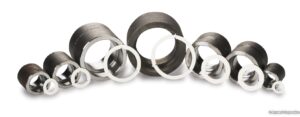
What is a Gas Lens? Benefits, Types, and Uses in TIG Welding
A gas lens is an essential accessory used in TIG (Tungsten Inert Gas) welding that improves shielding gas coverage and enhances weld quality. Positioned inside the TIG torch, a gas lens replaces the standard collet body and features a mesh screen or diffuser that evenly distributes the flow of inert gas, such as argon, around the weld area.
This tool is crucial for welders aiming for precision, reduced contamination, and high-quality weld finishes, especially when working with reactive metals like stainless steel, titanium, or aluminum.
How a Gas Lens Works
A typical TIG welding setup uses a collet body that allows shielding gas to flow around the tungsten electrode and protect the molten weld pool from atmospheric contamination. However, a gas lens refines this process by using fine mesh screens that laminate the gas flow, turning a turbulent stream into a smooth, consistent shield.
This stable gas coverage minimizes weld oxidation, improves arc stability, and allows for better puddle control—especially in out-of-position or extended torch setups.
Types of Gas Lenses
- Standard Gas Lens
Suitable for general-purpose TIG welding applications. Offers improved gas coverage and arc stability compared to standard collets. - Large-Diameter Gas Lens
Provides even greater shielding coverage, ideal for welding materials sensitive to oxidation, such as titanium or stainless steel. - Stubby Gas Lens
Shorter in size, allowing better access in tight or confined spaces while still delivering smooth gas flow. - Glass Cup Lens
Often used with a clear Pyrex nozzle for high visibility during intricate welds and improved control over the weld puddle.
Common Applications
Gas lenses are widely used in various welding environments, including:
- Aerospace and Automotive: For precise, high-strength welds on thin metals and exotic alloys.
- Fabrication Shops: Improving weld quality on stainless steel and aluminum components.
- Pipe Welding: Offering excellent shielding even when the torch is extended far from the workpiece.
- Maintenance and Repair: Useful for clean, controlled welds in hard-to-reach areas.
Benefits of Using a Gas Lens
- Improved Gas Coverage: Ensures a consistent shield over the weld zone, reducing porosity and oxidation.
- Better Arc Stability: Creates a smoother arc, improving weld pool control and consistency.
- Extended Tungsten Stick-Out: Allows for better access to tight joints without compromising gas protection.
- Reduced Gas Consumption: More efficient gas flow means you use less shielding gas overall.
- Higher Weld Quality: Results in cleaner, stronger, and more aesthetically pleasing welds.
Tips for Using a Gas Lens
- Match the lens size and nozzle diameter to your welding application.
- Use pure argon for best results on non-ferrous metals.
- Ensure clean mesh screens to maintain consistent gas flow.
- Inspect regularly for wear or clogging to avoid inconsistent shielding.
Conclusion
A gas lens is a valuable upgrade for any TIG welder seeking better weld quality, reduced contamination, and improved gas efficiency. Whether you’re working on high-precision aerospace components or general stainless steel fabrication, incorporating a gas lens can make a significant difference in performance and results.